Quick Answer
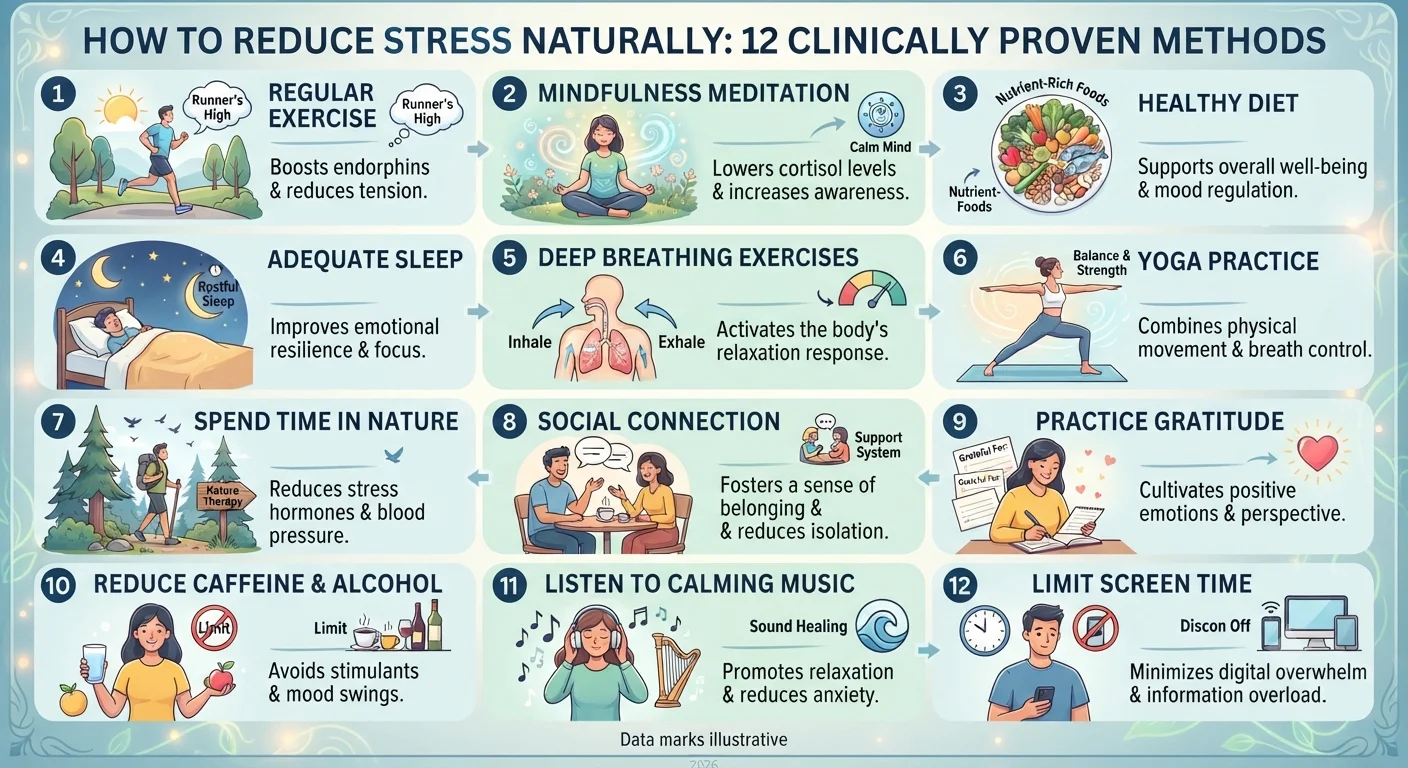
The most clinically proven natural methods for reducing stress are aerobic exercise, mindfulness meditation, controlled breathing techniques (particularly physiological sighing), progressive muscle relaxation, social connection, adequate sleep, time in nature, journaling, dietary modifications (reducing caffeine and sugar, increasing omega-3s), laughing and humor, creative expression, and professional cognitive behavioral therapy. Combining three to five of these produces synergistic effects that exceed any single intervention alone.
Key Takeaways
- Quick Answer
- Key Takeaways
- Understanding Stress: What Is Actually Happening in Your Body
- 12 Clinically Proven Natural Methods to Reduce Stress
- 1. Aerobic Exercise: The Most Powerful Stress Reducer
- 2. Mindfulness Meditation: Rewiring the Stress Response
- 3. Physiological Sighing: The Fastest Stress Relief
- 4. Progressive Muscle Relaxation (PMR)
- 5. Social Connection: The Biological Requirement for Stress Buffering
- 6. Time in Nature: The Evidence for Forest Bathing
- 7. Sleep: Stress Recovery's Most Powerful Reset
- 8. Journaling: Externalizing Stress Through Writing
- 9. Dietary Modifications for Stress Reduction
- 10. Laughter and Humor
- 11. Creative Expression
- 12. Cognitive Behavioral Therapy (CBT)
- Frequently Asked Questions About Reducing Stress Naturally
- The American Psychological Association's Stress in America survey for 2025 found that 76 percent of American adults reported experiencing at least one physical or psychological symptom of stress in the past month, with work, money, and global uncertainty as the top reported stressors.
- Chronic stress, defined as prolonged activation of the hypothalamic-pituitary-adrenal (HPA) axis, is associated with increased risk of cardiovascular disease, immune dysfunction, type 2 diabetes, depression, cognitive decline, and reduced telomere length (a marker of cellular aging).
- A 2023 British Journal of Sports Medicine meta-analysis of 97 systematic reviews found that aerobic exercise was 1.5 times more effective than medication or psychotherapy as a standalone intervention for stress and anxiety.
- The "physiological sigh," a specific breathing pattern (double inhale through the nose followed by a long exhale through the mouth) studied by Dr. Andrew Huberman and Dr. Jack Feldman at Stanford and UCLA, produces the fastest measurable reduction in physiological stress response of any breathing technique studied.
- Progressive Muscle Relaxation (PMR), developed by Dr. Edmund Jacobson in 1929 and continuously validated since, reduces cortisol levels by a measurable average of 15 to 30 percent in controlled trials according to a 2018 meta-analysis.
Understanding Stress: What Is Actually Happening in Your Body
Stress is not simply a feeling. It is a comprehensive physiological response involving hormonal cascades, neural activation patterns, and systemic changes across virtually every organ system in the body. Understanding the biology of stress illuminates why the natural interventions below work and what they are working against.
When the brain perceives a threat (physical danger, social rejection, deadline pressure, financial worry, or even frightening news), the hypothalamus activates two parallel stress response systems.
The fast pathway activates the sympathetic nervous system within milliseconds, triggering the release of adrenaline (epinephrine) from the adrenal glands. Heart rate and blood pressure increase to deliver more blood to muscles. Breathing becomes faster and shallower. Blood sugar elevates as the liver releases stored glucose. Digestion slows as blood is redirected from the gut to the muscles. The immune system temporarily suppresses some functions. Pupils dilate to improve vision. This is the classic "fight-or-flight" response.
The slow pathway activates the hypothalamic-pituitary-adrenal (HPA) axis over minutes to hours, triggering the release of cortisol from the adrenal cortex. Cortisol sustains the elevated metabolic state, maintains elevated blood glucose, modulates immune function, and influences mood, memory, and motivation through receptors throughout the brain.
Both pathways evolved to handle acute, time-limited threats, then return the body to baseline. The problem in modern life is that chronic psychological stressors (financial worry, work pressure, relationship conflict, global uncertainty) keep these systems activated without the resolution that physical threats historically provided. Chronically elevated cortisol is directly toxic to the hippocampus (the brain's memory center), suppresses immune function, elevates cardiovascular risk, disrupts sleep, and promotes abdominal fat accumulation.
The twelve methods below reduce stress through specific, known mechanisms that either blunt the initial stress response, accelerate recovery from it, or build long-term resilience by modifying how the brain and body respond to stressors.
12 Clinically Proven Natural Methods to Reduce Stress
1. Aerobic Exercise: The Most Powerful Stress Reducer
Aerobic exercise is the single most evidence-supported natural intervention for stress, anxiety, and mood regulation. The 2023 British Journal of Sports Medicine meta-analysis referenced above analyzed 97 systematic reviews encompassing over 1,000 randomized controlled trials and found physical activity more effective than both medication and psychotherapy as a standalone intervention for anxiety and depression symptoms.
- Best Books to Read in 2026: 20 Life-Changing Recommendations by Category
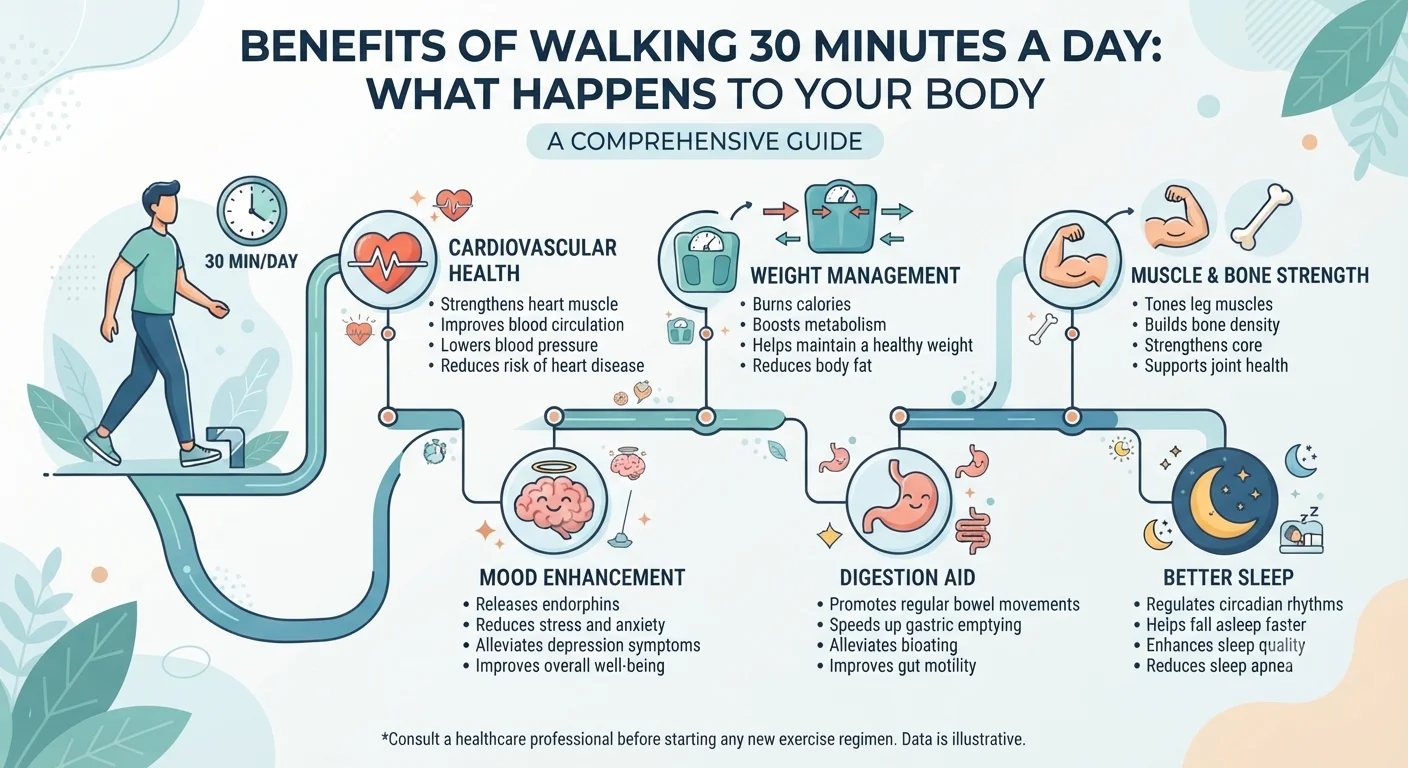
- Benefits of Walking 30 Minutes a Day: What Happens to Your Body
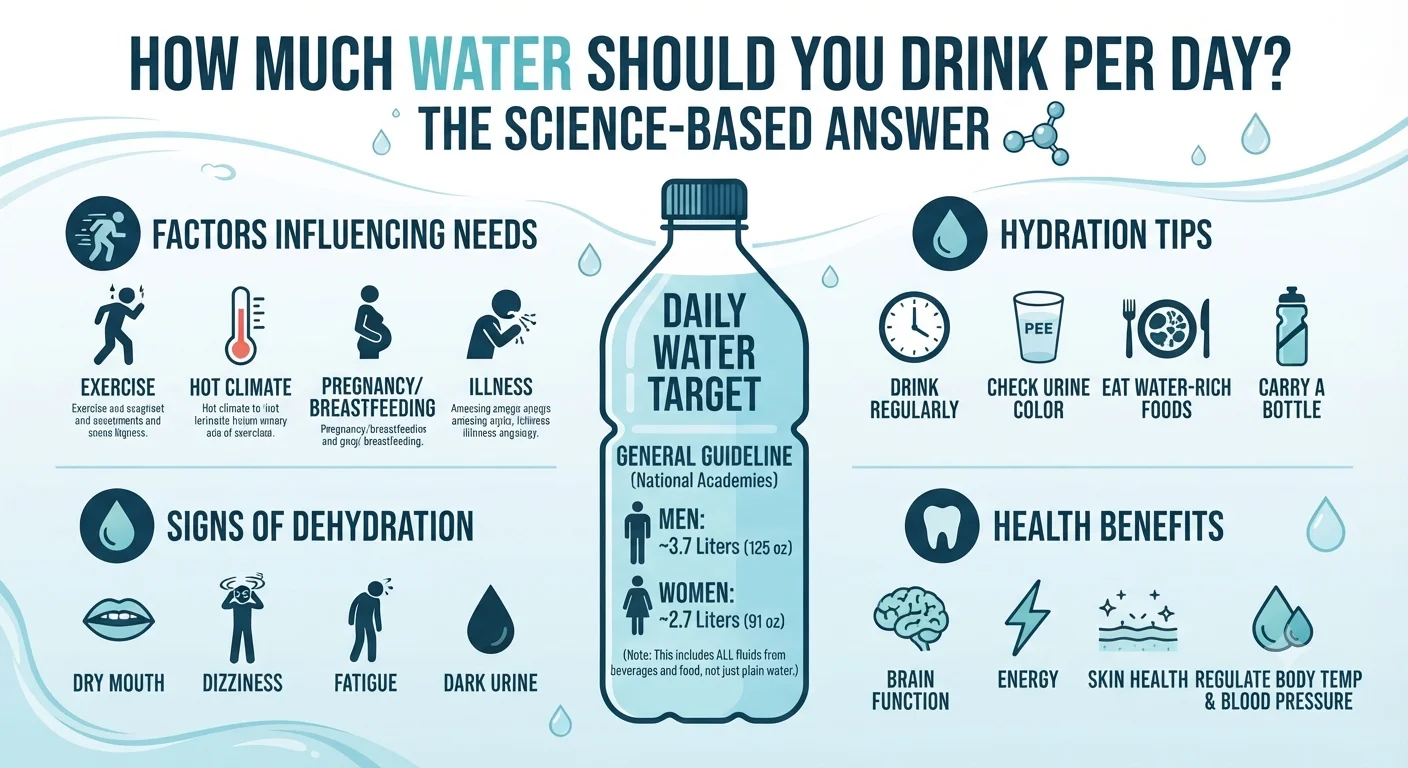
- How Much Water Should You Drink Per Day? The Science-Based Answer
The mechanisms are multiple and reinforcing. Exercise activates the HPA axis during the workout (producing a controlled, mastered stress response) and then produces a robust parasympathetic rebound (the calming phase) afterward that reduces resting cortisol over time with regular practice. Exercise releases beta-endorphins that produce the well-known post-exercise euphoria. It increases BDNF (brain-derived neurotrophic factor), promoting hippocampal neurogenesis that directly counteracts the hippocampal damage caused by chronic cortisol exposure. It improves sleep quality, and sleep is itself one of the most powerful stress recovery mechanisms available.
A 2019 study published in "Lancet Psychiatry" analyzed mental health data from 1.2 million Americans and found that those who exercised regularly had 43.2 percent fewer days of poor mental health per month than sedentary individuals, with the optimal frequency being three to five sessions per week of 30 to 60 minutes.
For stress specifically (as opposed to depression or anxiety disorders), research by Dr. Mark Hamer at University College London found that 20 minutes of aerobic exercise reduced stress-related cardiovascular reactivity in subsequent laboratory stressors, suggesting that morning exercise provides a protective buffer against the day's stressors.
Any aerobic exercise modality produces these benefits. Brisk walking, running, cycling, swimming, dancing, HIIT training, and even vigorous household activity all count. Consistency over months matters more than intensity in any single session.
2. Mindfulness Meditation: Rewiring the Stress Response
Mindfulness meditation, the practice of paying deliberate, non-judgmental attention to present-moment experience, has one of the most robust evidence bases of any behavioral stress intervention, with over 1,000 peer-reviewed publications as of 2026.
The mechanism for stress reduction is neurological. Research using functional MRI shows that regular mindfulness practice reduces activity in the amygdala (the brain's threat detection center) in response to stressors and strengthens connectivity between the prefrontal cortex (rational thinking) and amygdala (emotional reactivity), improving the regulatory relationship between them. In simpler terms, mindfulness practice trains the brain to respond to stressors with greater cognitive flexibility and less automatic emotional reactivity.
A 2004 study by Kabat-Zinn and colleagues at the University of Massachusetts, and replicated many times since, found that an 8-week Mindfulness-Based Stress Reduction (MBSR) course produced significant reductions in self-reported stress, anxiety, and cortisol levels. A 2014 meta-analysis in JAMA Internal Medicine analyzing 47 randomized controlled trials found that mindfulness meditation produced moderate improvements in anxiety, depression, and pain with an effect size comparable to antidepressant medication for mild-to-moderate presentations.
The minimum effective dose for measurable stress reduction is approximately 10 to 20 minutes of daily mindfulness practice maintained for four to eight weeks. Apps including Headspace, Calm, Waking Up (developed by neuroscientist Sam Harris), and the free UCLA Mindful app provide guided practices accessible to beginners.
3. Physiological Sighing: The Fastest Stress Relief
The physiological sigh is a specific breathing pattern that researchers at Stanford and UCLA have identified as the fastest way to acutely reduce physiological stress. The technique involves a double inhale through the nose (a normal inhale followed immediately by a sharp additional inhale to fully inflate the lungs) followed by a long, complete exhale through the mouth.
Dr. Andrew Huberman at Stanford and Dr. Jack Feldman at UCLA published research in "Cell" in 2022 explaining the mechanism. The lungs' air sacs (alveoli) partially collapse during normal breathing and especially during stress-induced shallow breathing. The double inhale reinflates collapsed alveoli, dramatically increasing the surface area available for gas exchange. The subsequent long exhale activates the parasympathetic nervous system more powerfully than a normal exhale, rapidly reducing heart rate and triggering a calming physiological cascade.
A 2023 randomized controlled trial by Huberman's laboratory published in "Cell Reports Medicine" compared physiological sighing, mindfulness meditation, and cyclic hyperventilation for five-minute daily practice over one month. Physiological sighing produced the largest reductions in anxiety and negative affect and the fastest recovery from acute stress among all three conditions.
One to three physiological sighs reduce acute stress perceptibly within seconds. The technique is available anywhere, at any time, and requires no training, apps, or equipment.
4. Progressive Muscle Relaxation (PMR)
Progressive Muscle Relaxation, developed by physician Edmund Jacobson in the 1920s and refined through decades of clinical research, involves systematically tensing and releasing specific muscle groups throughout the body. The physiological insight behind it is that stress-induced muscle tension and psychological stress are bidirectionally related: relaxing the muscles signals safety to the nervous system and reduces psychological stress.
The standard PMR protocol involves lying or sitting comfortably and moving progressively through muscle groups (feet, calves, thighs, abdomen, chest, hands, forearms, upper arms, shoulders, neck, face), tensing each group for five to ten seconds, then releasing the tension for 20 to 30 seconds while focusing attention on the sensation of release. The entire protocol takes 15 to 20 minutes.
A 2018 meta-analysis published in "Complementary Medicine Research" analyzing 25 randomized controlled trials found that PMR significantly reduced cortisol levels (by 15 to 30 percent compared to control conditions), reduced self-reported anxiety, and improved sleep quality. It is particularly effective for people who carry stress physically in tight muscles (common in the shoulders, neck, jaw, and lower back) and who find purely cognitive or breathing-based techniques less accessible.
Free PMR audio guides are available through the Dartmouth College Student Wellness Center, UCLA Mindful App, and numerous free podcast episodes.
5. Social Connection: The Biological Requirement for Stress Buffering
Humans are fundamentally social species whose nervous systems are shaped by millions of years of group living. Social connection is not merely psychologically pleasant but biologically necessary for stress regulation. The presence of trusted social partners directly modulates the HPA axis stress response through mechanisms involving oxytocin, a neuropeptide released during positive social interaction that has robust cortisol-lowering effects.
Research by social neuroscientist Dr. John Cacioppo at the University of Chicago found that loneliness (perceived social isolation) increases HPA axis reactivity, elevates circulating cortisol and inflammatory markers, disrupts sleep, and increases all-cause mortality risk by approximately 26 percent across multiple large-scale studies. These effects are comparable in magnitude to the mortality risk from obesity or heavy smoking.
The stress-buffering effect of social support operates even through non-physical contact. A 2014 study found that hearing a familiar voice on the phone (even without visual contact) reduced cortisol and increased oxytocin as effectively as physical presence. Text messages did not produce the same effect, suggesting voice communication specifically matters for the biological stress-buffering function of social connection.
Recommended Articles
 HEALTH WELLNESS
 HEALTH WELLNESS
 HEALTH WELLNESS
 HEALTH WELLNESS
Practical stress reduction through social connection means prioritizing regular direct conversation (phone or in-person) with trusted people in your life, particularly during high-stress periods when the temptation is often to withdraw socially.
6. Time in Nature: The Evidence for Forest Bathing
Research on "shinrin-yoku" (Japanese for "forest bathing," the practice of spending time in natural forest environments) has produced one of the most consistent bodies of literature showing measurable physiological stress reduction from nature exposure.
A 2010 meta-analysis by the Japanese Society of Forest Medicine analyzed data from 24 studies and found that time in forest environments compared to urban environments produced significant reductions in salivary cortisol (by 13 to 16 percent), blood pressure, pulse rate, and sympathetic nervous system activity, with corresponding increases in parasympathetic activity (the "rest and digest" system).
The specific components of natural environments that drive these effects include phytoncides (airborne compounds released by trees, particularly evergreens, that have been shown to increase natural killer cell activity and reduce cortisol), visual exposure to natural fractals (the self-similar geometric patterns of natural forms like trees, leaves, and water that activate alpha wave brain states associated with relaxed alertness), natural light, and reduced noise and air pollution.
The dose required for measurable physiological effects is as little as 20 to 30 minutes in a natural setting. Urban parks with trees and greenery produce similar, though somewhat smaller, effects compared to forest environments. Even indoor plants and nature sounds (without the other components) produce modest stress reduction compared to urban or office environments without them.
7. Sleep: Stress Recovery's Most Powerful Reset
The relationship between sleep and stress is bidirectional. Stress impairs sleep by elevating cortisol and increasing physiological arousal that prevents sleep onset. Insufficient sleep elevates baseline cortisol and stress reactivity, creating a destructive cycle that perpetuates itself.
Prioritizing sleep quality and duration is therefore simultaneously a stress reduction strategy and a stress consequence management strategy. Research on the specific mechanisms shows that slow-wave sleep (deep sleep) is the phase during which the glymphatic system removes cortisol and other stress-related metabolic waste products from the brain. REM sleep is when emotional memories are processed and their emotional intensity is reduced. Both stages are critical for stress recovery.
Strategies that specifically support stress-related sleep improvement, beyond general sleep hygiene, include reducing evening cortisol through relaxation practices in the 60 to 90 minutes before bed (gentle stretching, PMR, non-stimulating reading, dim warm light), writing a brief "worry dump" journal entry before bed to externalize anxious thoughts from the cognitive workspace rather than ruminating on them during the sleep onset period, and maintaining a consistent sleep schedule that protects slow-wave and REM sleep cycles.
8. Journaling: Externalizing Stress Through Writing
Expressive writing, developed as a research intervention by psychologist Dr. James Pennebaker at the University of Texas, involves writing in detail about stressful experiences, including both the facts of the situation and the emotional response to it. A meta-analysis of 146 randomized studies by Smyth (1998) found that expressive writing produced significant improvements in physical health, psychological wellbeing, and physiological functioning compared to control writing conditions.
The mechanism involves cognitive processing: translating emotional experiences into language activates the prefrontal cortex and reduces amygdala reactivity, which is essentially the same mechanism through which psychotherapy produces stress reduction. Writing about a stressful experience allows the brain to process it as a comprehensible narrative rather than as an unresolved threat that keeps reactivating the stress response.
Specific journaling formats with clinical evidence include expressive writing (Pennebaker's protocol: write for 15 to 20 minutes about an emotionally difficult experience, focusing on your deepest thoughts and feelings, for three to four consecutive days), gratitude journaling (writing three specific things you are grateful for daily, which research by Dr. Robert Emmons at UC Davis shows reduces cortisol and improves sleep), and worry scheduling (writing down anxious thoughts in a designated notebook during a scheduled daily 15-minute "worry time," which research shows reduces intrusive anxious thoughts at other times by compartmentalizing the worry process).
9. Dietary Modifications for Stress Reduction
Nutrition significantly affects stress resilience and cortisol regulation through multiple pathways involving blood glucose stability, neurotransmitter precursor availability, and gut-brain axis signaling.
Caffeine's relationship with stress is dose-dependent and individual-variable. Moderate caffeine (less than 400 milligrams per day) enhances alertness and mood for most people. Excess caffeine, particularly in sensitive individuals or consumed late in the day, directly stimulates cortisol secretion and elevates physiological anxiety. For stress-prone individuals, reducing caffeine to one to two cups of coffee per day, consuming them before noon, and temporarily eliminating caffeine during high-stress periods often produces noticeable stress reduction.
Blood glucose instability produced by high-glycemic diets (refined sugar, white flour, sweetened beverages) creates cortisol spikes as the body responds to rapid glucose fluctuations. Stabilizing blood glucose through lower glycemic foods, adequate protein and fat intake at each meal, and eliminating sugary snacks reduces these cortisol fluctuations.
Omega-3 fatty acids (EPA and DHA from fatty fish, fish oil supplements, or algae-based supplements) have consistent evidence for reducing physiological and psychological stress responses. A 2011 randomized controlled trial published in "Brain, Behavior and Immunity" found that medical students who supplemented with 2.5 grams per day of omega-3s showed a 20 percent reduction in anxiety and a 14 percent reduction in inflammatory markers compared to placebo controls.
Magnesium deficiency, which affects an estimated 50 to 80 percent of Americans according to National Health and Nutrition Examination Survey data, is associated with increased HPA axis reactivity and elevated cortisol. Magnesium-rich foods including leafy greens, nuts, seeds, legumes, and dark chocolate or supplementation with magnesium glycinate or threonate at 200 to 400 milligrams per day may support stress regulation in deficient individuals.
10. Laughter and Humor
Laughter is one of the most underutilized and most accessible stress relief tools, with a genuine physiological evidence base that extends beyond the obvious emotional benefits.
Research by Dr. Lee Berk at Loma Linda University found that even anticipating laughter significantly reduced cortisol (by 39 percent in one study), adrenaline (by 70 percent), and elevated beneficial hormones including beta-endorphins and human growth hormone. Actual laughter during a comedy video produced further reductions in stress hormones and increases in natural killer cell activity.
Laughter yoga, a practice combining voluntary laughter exercises with yogic breathing that does not require comedy because voluntary laughter produces similar physiological effects to spontaneous laughter, has been studied in multiple clinical populations including cancer patients, nursing home residents, and corporate employees, with consistent evidence for stress reduction, improved mood, and enhanced immune function.
The practical implication is to deliberately include sources of genuine amusement in daily life rather than treating humor as a frivolous luxury: watching a comedy, spending time with people who make you laugh, reading humorous writing, or practicing laughter yoga actively contributes to stress regulation through measurable hormonal mechanisms.
11. Creative Expression
Creative activities, including making music, painting, drawing, writing fiction, dancing, cooking creatively, and crafting, produce psychological states characterized by reduced self-consciousness, present-moment absorption, and positive affect that directly counteract the ruminative, future-oriented thinking patterns characteristic of chronic stress.
Research on "flow states," described by psychologist Mihaly Csikszentmihalyi as optimal experience involving complete absorption in a challenging task, consistently documents reduced cortisol and sympathetic nervous system activity during flow. Creative activities are among the most reliable inducers of flow states for people with appropriate skill levels relative to the creative challenge.
A 2016 study published in "Art Therapy: Journal of the American Art Therapy Association" by Dr. Girija Kaimal and colleagues found that 45 minutes of creative art-making significantly reduced cortisol levels in 75 percent of participants regardless of prior art experience or training level, suggesting that the stress-reducing effect of creative expression does not depend on artistic skill.
12. Cognitive Behavioral Therapy (CBT)
While the other eleven methods on this list are self-applied, cognitive behavioral therapy represents the gold standard clinical intervention for chronic stress and deserves inclusion as the most evidence-supported professional intervention available.
CBT works by identifying and challenging the cognitive distortions (catastrophizing, all-or-nothing thinking, mind-reading, overgeneralization) that amplify the subjective experience of stress beyond its objective basis. By learning to recognize, evaluate, and modify these thinking patterns, individuals develop more accurate and less stress-amplifying interpretations of events.
A 2017 meta-analysis published in "Psychological Medicine" analyzing 91 randomized controlled trials found that CBT was significantly more effective than control conditions for reducing chronic stress, with effects maintained at follow-up assessments of up to one year. The evidence is particularly strong for work-related stress, health anxiety, and stress related to chronic health conditions.
Online CBT is increasingly accessible through platforms including Woebot (AI-guided CBT), MindDoc, and the evidence-based iCBT programs offered through national health systems in the UK, Australia, and Canada. These digital formats produce comparable outcomes to therapist-delivered CBT for mild-to-moderate stress and anxiety according to a growing body of research.
Frequently Asked Questions About Reducing Stress Naturally
What is the fastest way to reduce stress in the moment?
The physiological sigh (double nasal inhale followed by long mouth exhale, repeated one to three times) produces the fastest measurable acute stress reduction of any technique studied. Cold water on the face activates the diving reflex, which rapidly reduces heart rate. These techniques work within seconds to minutes and are available in any situation.
How long does it take to reduce chronic stress through natural methods?
Measurable reductions in baseline cortisol from regular exercise, mindfulness practice, or progressive muscle relaxation are typically detectable within three to four weeks of consistent daily practice. Meaningful improvements in subjective stress levels and physical symptoms of stress typically emerge within four to eight weeks. Full development of stress resilience through these practices requires consistent practice over three to six months.
Can diet alone reduce stress significantly?
Dietary modifications, particularly reducing caffeine, stabilizing blood glucose, and increasing omega-3 fatty acids, can produce meaningful reductions in physiological stress reactivity. However, diet alone is unlikely to be sufficient for managing significant chronic stress. It works most effectively as one component of a comprehensive approach that includes exercise, sleep, social connection, and cognitive or mindfulness-based practices.
When should I see a doctor or therapist about stress?
Professional evaluation is appropriate when stress produces physical symptoms including chest pain, persistent insomnia, significant weight changes, or frequent illness, when it significantly impairs daily functioning at work, in relationships, or in self-care, when it is associated with consistent low mood, hopelessness, or thoughts of self-harm, or when self-applied methods have been consistently tried for several weeks without meaningful improvement. Chronic stress is a genuine medical concern with measurable physiological consequences, not simply a lifestyle problem to manage alone.